


Establishing Gout Diagnosis

What Goes Into a Gout Diagnosis

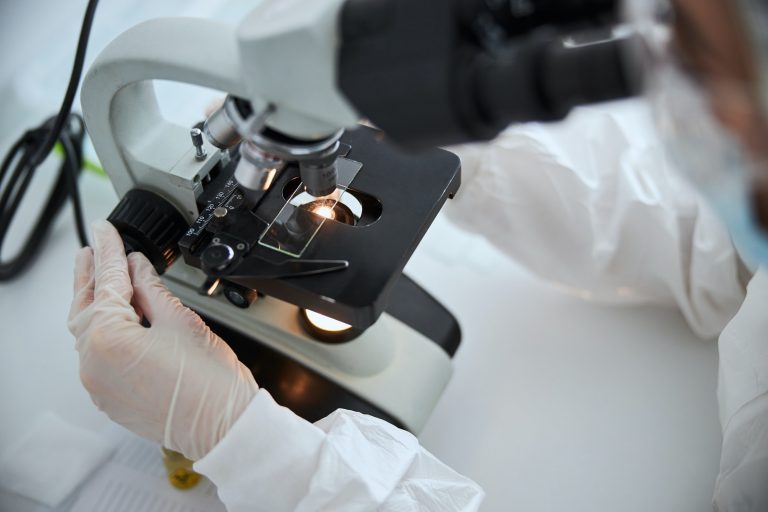
Aspiration of synovial fluid or tophi from an actively inflamed joint and the identification of monosodium urate (MSU) crystals through a polarizing microscope remains the gold standard for making an accurate gout diagnosis.

However, physicians and other healthcare providers rarely make a gout diagnosis this way, given the need for specialized equipment and training. Most physicians must make a probable gout diagnosis based on how closely the patient’s history and examination align with the classic description of gout symptoms. A blood test should be done to check serum uric acid (sUA) levels.

While a blood test doesn’t provide a definitive diagnosis of gouty arthritis, it helps to understand whether this is a potential gout diagnosis.

Discussing a Gout Diagnosis between doctor and patient
Doctor checking gout diagnosis results at doctor's room.

Presumed gout is a diagnosis based on a pattern of recurrent, rapid onset flares of monoarthritis in the historical setting of hyperuricemia. A clear and detailed history of an acute gout flare, followed by an asymptomatic period and then recurrence, is a valuable pattern for recognition and diagnosis.

While a gout diagnosis based on typical features of gout and documented hyperuricemia is common, it is flawed. And, while the risk for developing gout is higher in those who have an elevated serum uric acid level and joint pain, not everyone with these factors has gout.

Additional Methods for Detecting Gout

Use of diagnostic ultrasound is coming into common use and may help to improve early diagnostic accuracy. MRIs and CT scans can also be very useful, but are rarely used at the point of care.

Visible tophi and erosive changes can also be visible on x-rays, but these are typically late findings after gouty arthritis has already progressed.

GSN LOGO

Join the Gout Specialist Network

Microbiologist observing a microscopic specimen under the microscope

CME Courses

The Gout Education Society believes that continuing education for medical professionals and their staff is crucial when it comes to keeping up with the latest in gout treatment, diagnosis and management.

Teamwork of the doctors

ACR Guidelines

Normal 0 false false false EN-US X-NONE X-NONE /* Style Definitions */ table.MsoNormalTable {mso-style-name:"Table Normal"; mso-tstyle-rowband-size:0; mso-tstyle-colband-size:0; mso-style-noshow:yes; mso-style-priority:99; mso-style-parent:""; mso-padding-alt:0in 5.4pt 0in 5.4pt; mso-para-margin:0in; mso-pagination:widow-orphan; font-size:12.0pt; font-family:"Aptos",sans-serif; mso-ascii-font-family:Aptos; mso-ascii-theme-font:minor-latin; mso-hansi-font-family:Aptos; mso-hansi-theme-font:minor-latin; mso-font-kerning:1.0pt; mso-ligatures:standardcontextual;} In October 2012, the American College of Rheumatology (ACR) published its long anticipated “Guidelines for the Management of Gout.” In June 2020, ACR built upon the existing guideline and released new classification criteria about gout.
Resources for Gout Education

Gout Education Library

With gout on the rise, it is essential that all patients, especially those touched by gout, are knowledgeable about this serious disease. You can always learn more from your doctor during regular visits. Take a stand on gout!